
Why Brittany, and not Paris or the Riviera?
Paris is the default choice, not the best one. For an intensive immersion course what matters is the environment, and a quiet corner of Brittany offers what the famous places cannot: days that run entirely in French, and a region worth the trip in its own right.
Why does immersion work better where nobody speaks English?
The weakness of language schools in Paris and on the Riviera is not the teaching; it is the town. Both are full of anglophone visitors, and of French people who reply to hesitant French in fluent English. A student at a well-known Riviera school describes the pattern from the inside: French in the classroom, then English with each other at dinner and on the excursions. It is not a failure of discipline. Offered a choice between effortful French and effortless English, a tired brain takes English every time. The classroom is French; the day is not, and the day is where an immersion course earns its keep.
Paris has excellent teachers. It also has an entire service economy that hears an accent and replies in English, and a large anglophone population to be social with. A week can pass in which the only French you speak is the French you paid for by the hour. For grammar, that may not matter much. For ear training it is fatal: the ear needs hours of unavoidable French every day, and a city that keeps offering you English keeps taking those hours away.
Kerfiac is different. The house sits in the Landes du Mené, deep in the Brittany countryside: farms, hamlets, and lovely walks in every direction. There is no English around. The nearest village is Saint-Gouéno, which has a single bar that may or may not be open, and hardly anyone for miles speaks anything but French. So the immersion simply carries on after the lesson: lunch, the afternoon, dinner and the evening all happen in French at the family table. Brittany is a favoured holiday region of the French themselves, and the anglophone bubble that undoes immersion elsewhere never formed here. There is no cohort of fellow anglophone students either: the course is one-on-one, and you are the only student. And the French you hear here is standard, with no real local accent: the vowels you train in the morning are the vowels the day speaks back to you.
What about the weather?
Mild Atlantic weather: green pastures, marine air, warm summers that typically run 26–27 °C, and nothing extreme outside the countrywide heatwaves. It can rain in any season, and outside summer you will want a jacket, but the climate is one of the quiet pleasures of the place.
Is Kerfiac difficult to reach?
Less than the map suggests. Kerfiac sits in the commune of Le Mené, in the Côtes-d’Armor department of northern Brittany. The TGV from Paris Montparnasse reaches Lamballe-Armor in about 2h15, and Lamballe is roughly 30 minutes from the school by road. Bernard meets you on the platform and drives you back at the end of your stay; the transfer is included with the Full Immersion Week and Breakthrough Immersion, and an optional add-on with the 14 Sounds Experience. If you prefer to fly, Rennes airport is about 1h10 from us and Brest about 1h30. From the UK there are also ferries into Saint-Malo and Roscoff. From anywhere else, fly into Paris Charles de Gaulle and take the TGV. Some students rent a car and keep it for the week, and we are happy to help you arrange the rental from here. Nothing in the course requires one, and Bernard handles the station run at both ends. But a car is what opens Brittany up: the coast and the nicest places around are all an easy drive, before or after the course or at the weekend.
What is there to do at weekends?
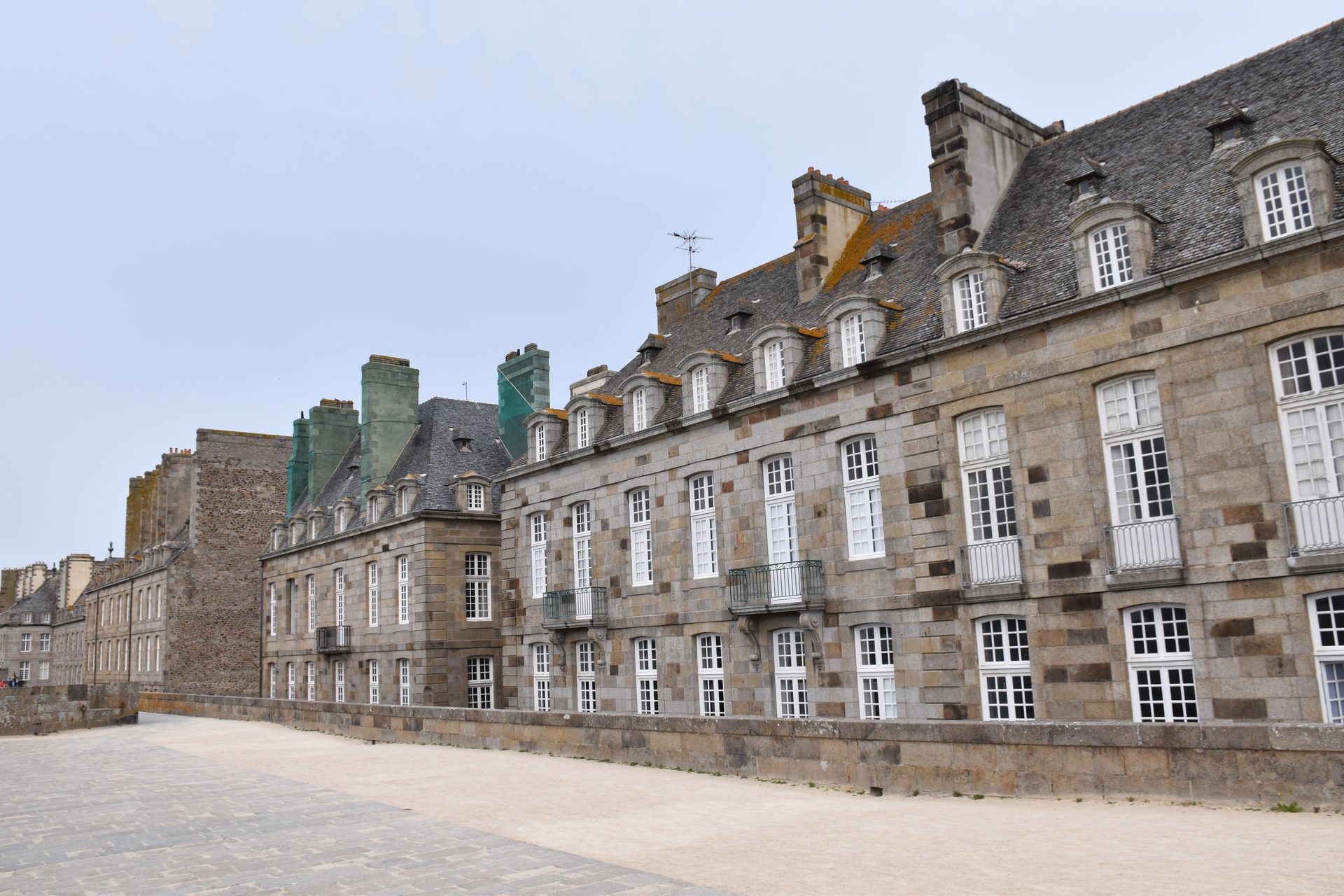
More than you might expect. After the lesson there is time for a walk from the door, or, with a car, the later part of the afternoon can take you to the coast, or as far as Saint-Malo and back before dinner. The bigger exploring belongs to the days either side of the course: arrive early or stay on, and the teaching week becomes the anchor of a proper Brittany trip. Many of our students have done exactly that. We do not organise excursions and we do not sell them; the region is simply there, with nothing to book and nothing extra to pay. And if a partner or family member wants to come along for the stay, we can usually arrange it at an extra charge; ask when you enquire.
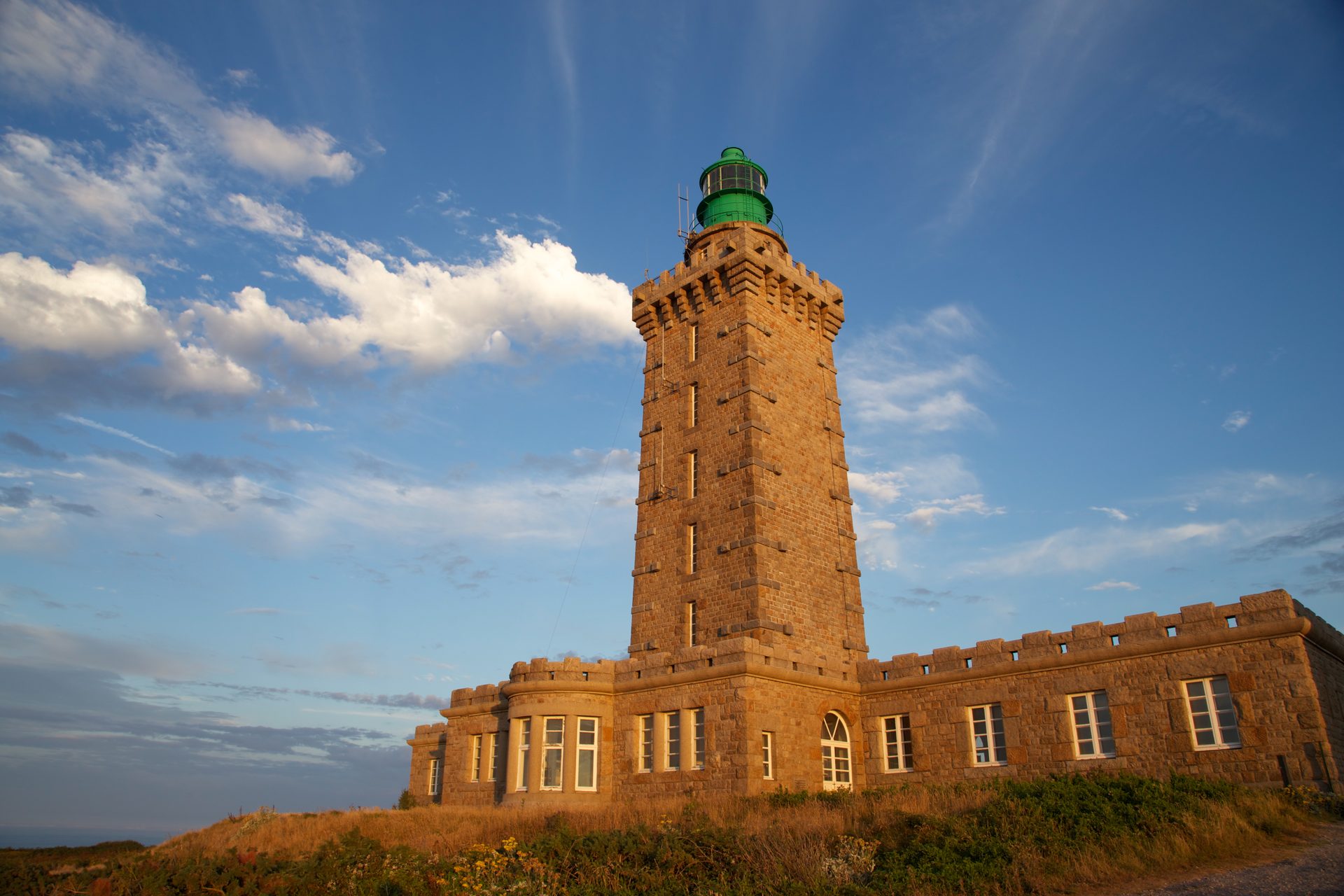
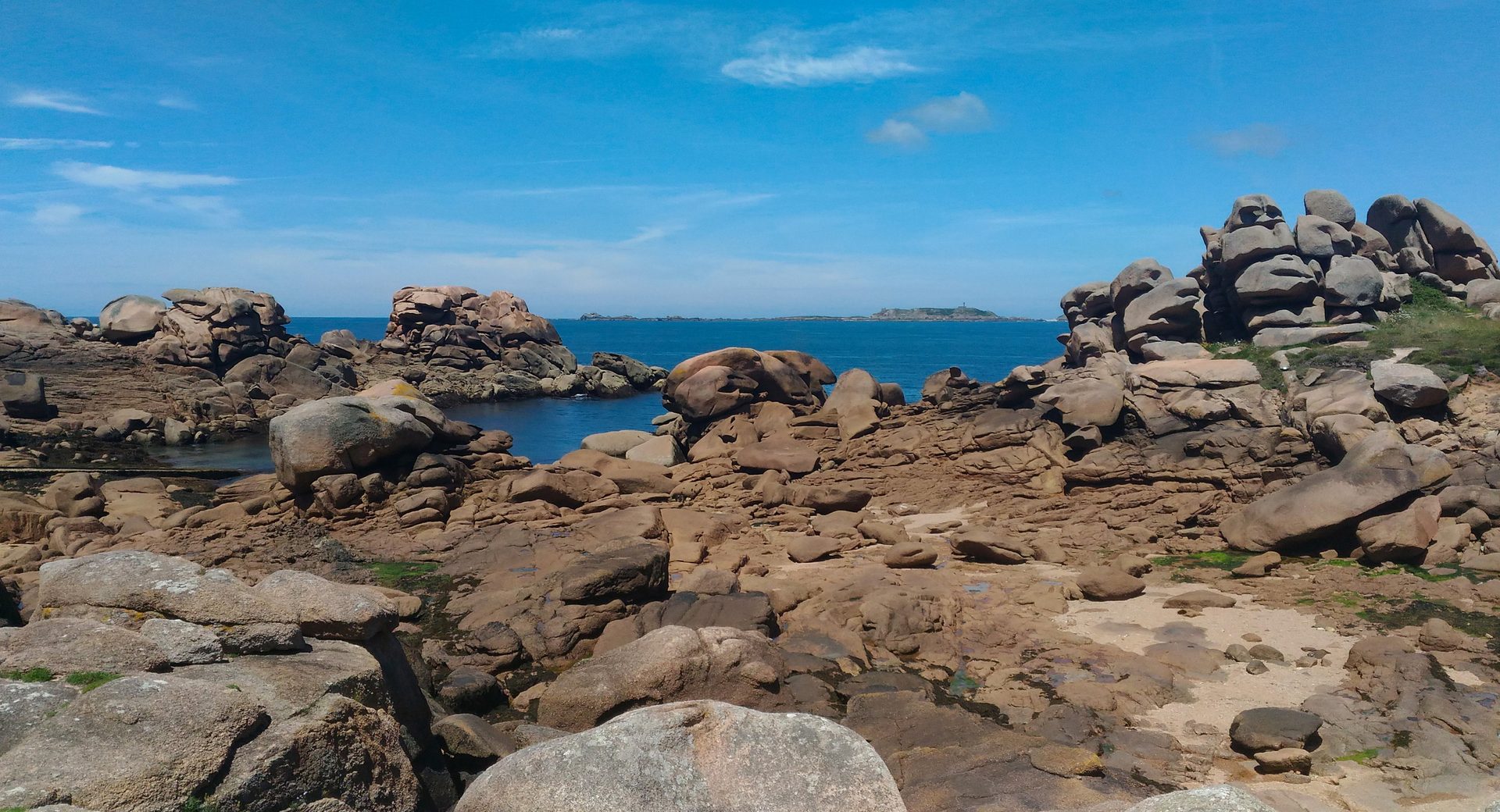
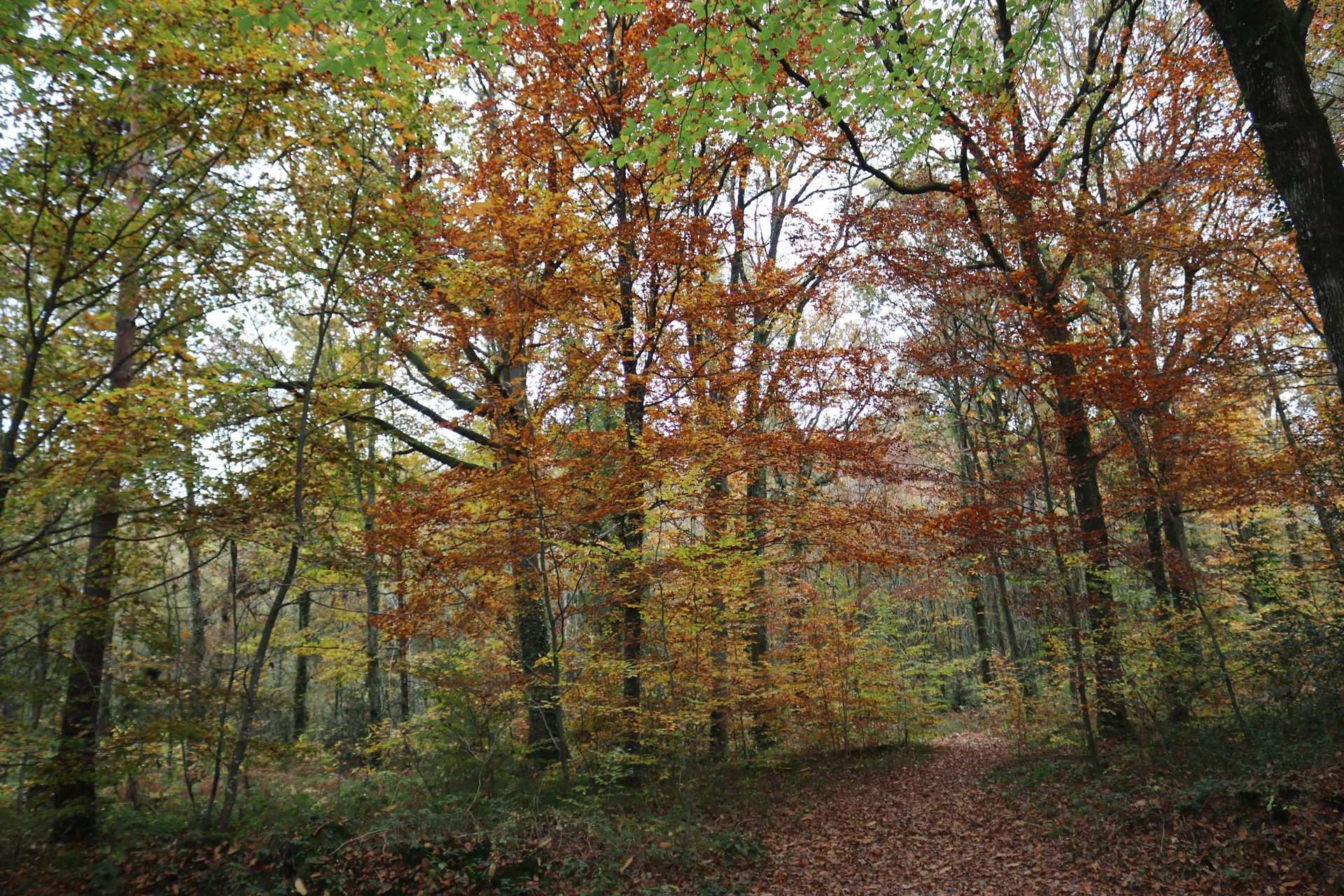
The nearest coast is the school’s own, the north shore of the Côtes-d’Armor: the cliffs of Cap Fréhel, the pink granite shore at Ploumanac’h, the island of Bréhat, and the GR34 running the length of it, all within about an hour of the house by car. That path, the old customs officers’ route, circles the whole Breton coast for about 2,000 km and has been voted France’s favourite long-distance walking route. Mont-Saint-Michel is a day trip, about 1h10 by car. Farther south, UNESCO inscribed the Carnac megaliths and the shores of the Gulf of Morbihan on the World Heritage List in July 2025; the standing stones are older than Stonehenge, and the gulf belongs to the club of the Most Beautiful Bays in the World. Inland there is the forest of Brocéliande, which the King Arthur stories claimed long ago. The heritage here is Celtic as well as French, and it lies dense on the ground: a culturally rich part of France that anglophone tourism has largely passed over, with a Celtic identity of its own and few foreign visitors even in high season. That is both why the immersion holds and why the region rewards the days you give it. The food needs no defence: oysters from Cancale, kouign-amann, crêpes, and the local cider.
None of this needs a schedule. The course is why you come. But Brittany can carry a holiday in its own right, and it is easy to build one around your stay.
If the method is what brought you this far, the house and the daily rhythm are described on Your Stay, and the courses on Pricing & Courses. Anything this page has not answered, ask Bernard directly.
Header photo: Cap Fréhel by Jean-Marie Hullot (CC BY 3.0).